
How food connects us
Something quite interesting happened while we were cooking with an Italian woman named Giada in her country home overlooking Tuscany’s sunflower fields. Somewhere between kneading dough and laughing at our lopsided creations, food started to unite us. It was like we were connecting dots across the world without even trying. That is what this blog is about how I have been able to see linkages across the globe spanning continents, cultures and different eras of migration and people interacting with one another.
Empanadas or calzone?
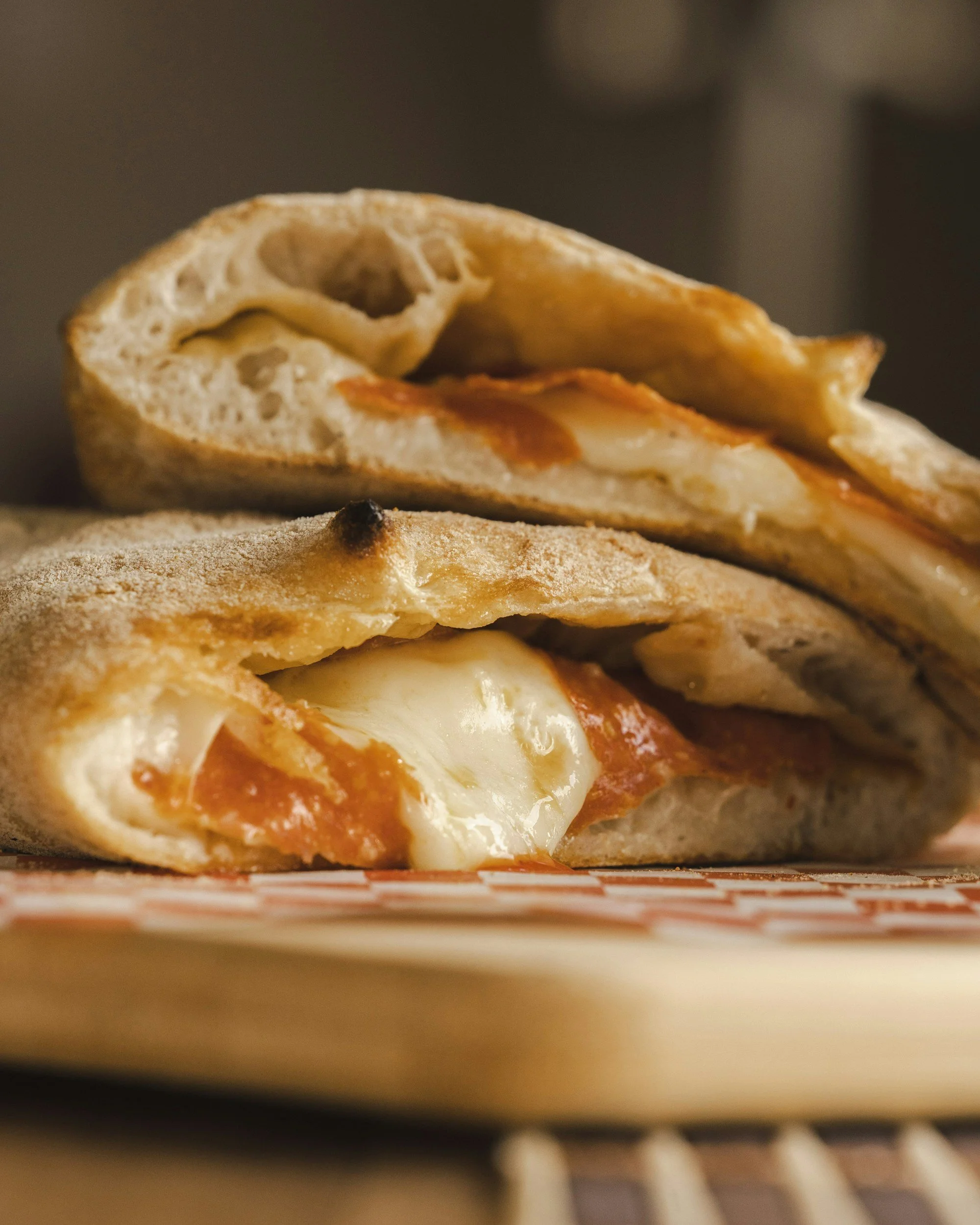
Calzone is traditionally made from pizza dough, stuffed with ingredients like salami or ham, ricotta, mozzarella, and parmesan, and then baked or fried until golden brown.
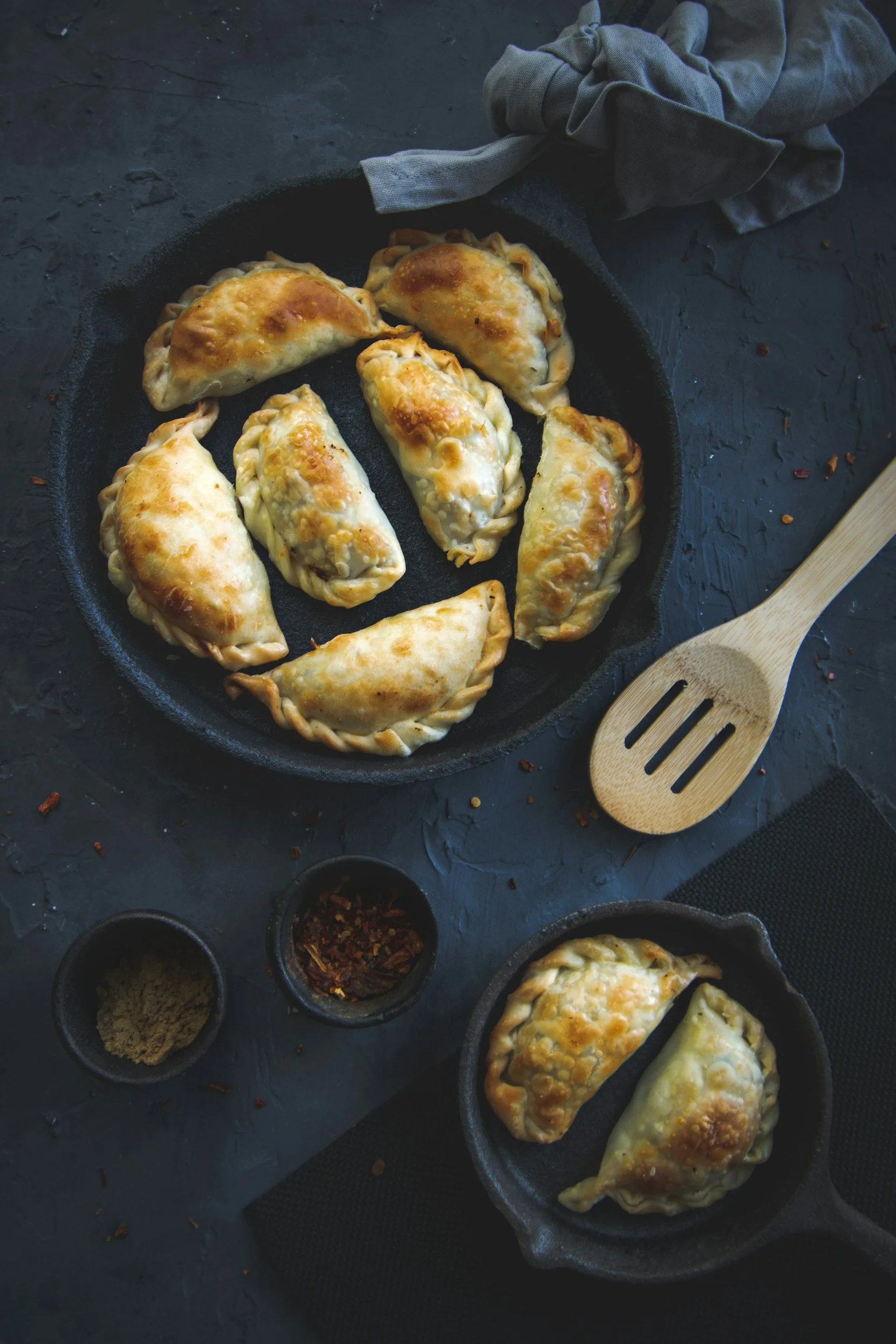
Empanada dough folds over and can have savory or sweet fillings. Although most of the time they are a savory dish. They have fillings such as meat, cheese, or vegetables, which is then baked or fried until golden brown.
One of the dishes we learned to make was calzone – a folded, stuffed bread that reminded us so much of the empanadas we’d eaten in South America. They aren’t directly related, but they share that same idea – fried stuffed breads. Empanadas are common in Portugal and Spain, while calzone is typically Italian. And yet, because millions of Italians, Spaniards, and Portuguese migrated to South America between 1820 and 1930, their food traditions travelled with them. Over four million Europeans settled in Argentina alone, and more than two million in Brazil, followed by Uruguay, Chile, and Venezuela. Their cultures intertwined with Indigenous peoples like the Mapuche and Selk’nam, creating a food landscape that feels familiar and foreign at the same time.
Bread
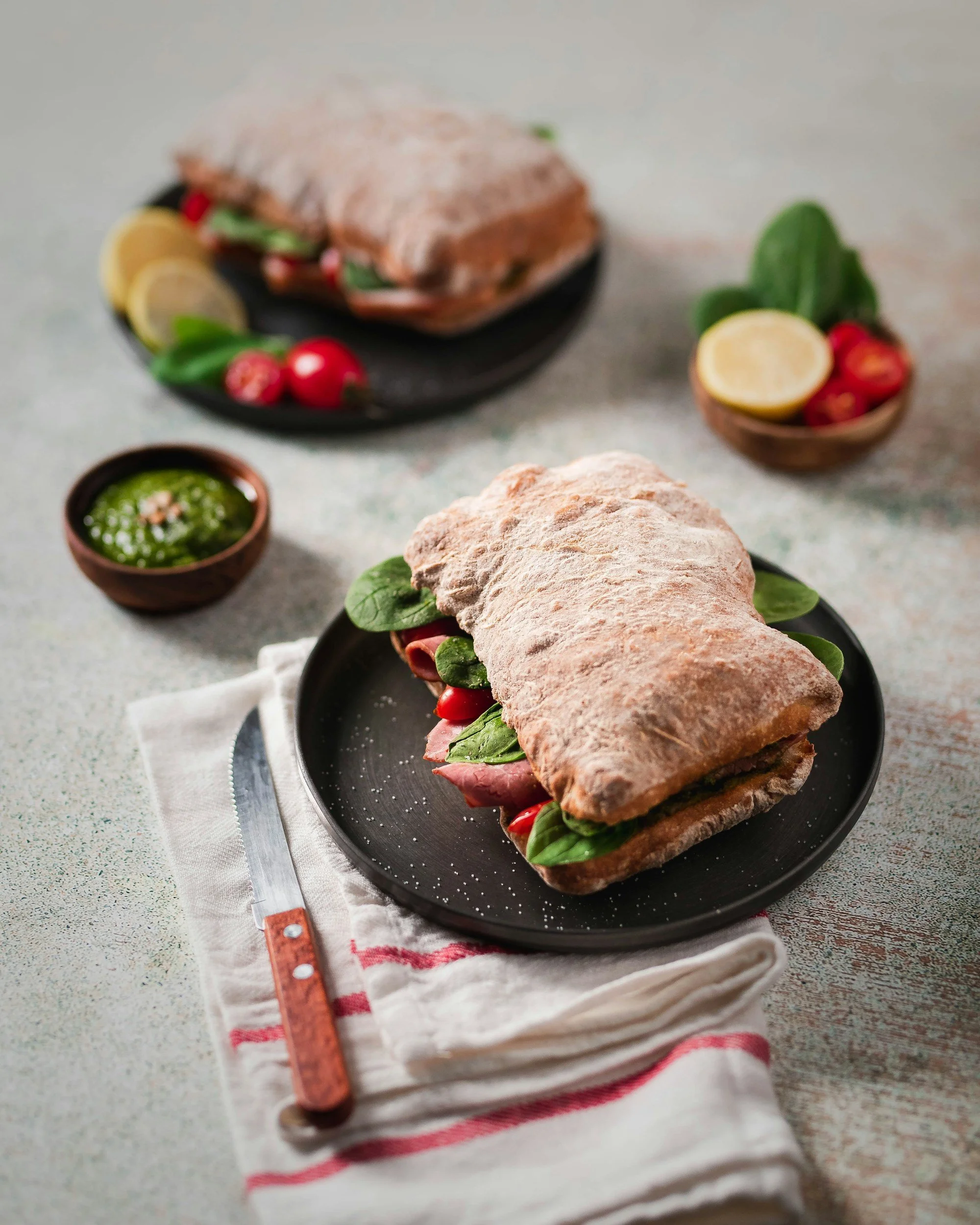
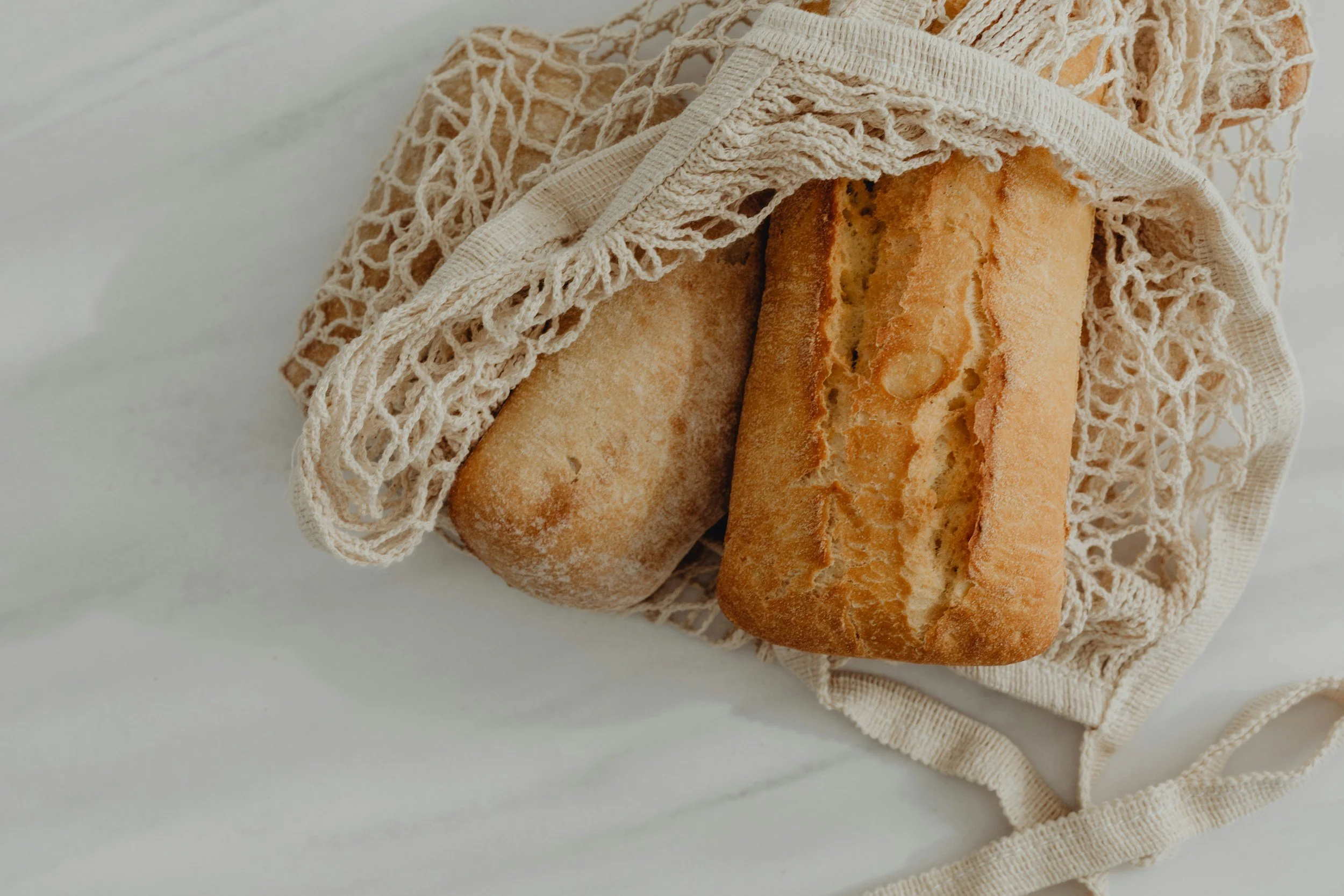
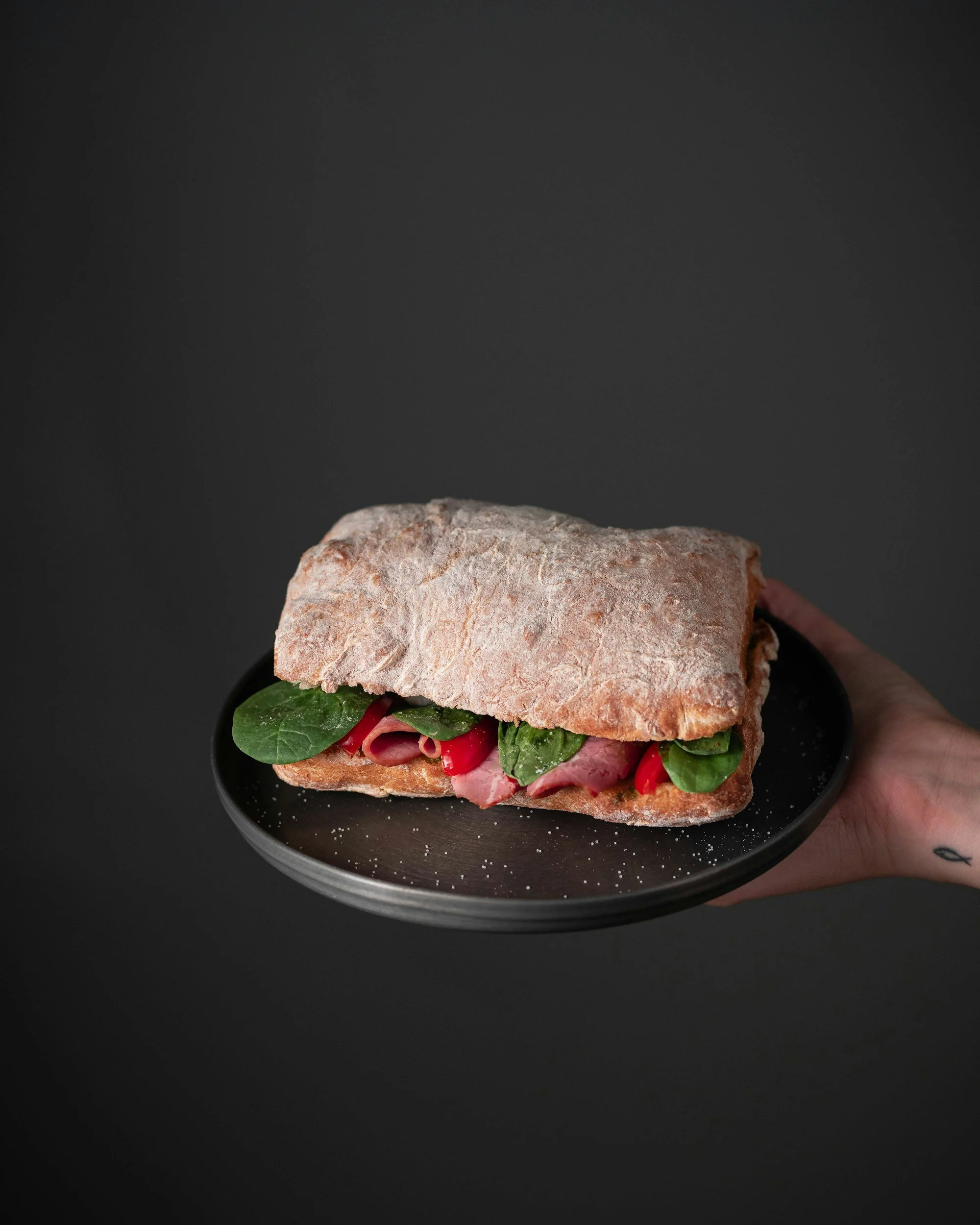
This blending creates a funny situation: every country claims a dish as “theirs”. Take ciabatta, for example. In Chile, we saw it everywhere even in the tiniest towns, bakeries baked fresh loaves every morning. One thing I miss about Chile is the bread. Even in the supermarkets, you’d pick up a loaf, and it would still be warm, smelling like heaven. We later learned that ciabatta is actually Italian, but it has become so woven into Chilean culture that it feels Chilean. Honestly, we saw more ciabatta in Chile than in Italy.
Cake
While in the south of Chile in Puerto Varas we got the delight to try kuchen for the first time at the folklore festival and wow it was good. Kuchen is a rustic fruit-filled pastry featuring a buttery, cookie-like crust topped with seasonal fruits like apples, berries, or cherries, often finished with custard or streusel. But this cake actually originates in Germany, and it is the German word for cake. In this area on both sides of the Andes there is a large population of people of German descent. Bariloche (where we visited in Argentina) is located on the direct opposite of the Andes to Puerto Varas, and both areas have a lot of German influence. After falling in love with kuchen we found it on Chiloe Island as well, and I honestly love when different cultures’ foods come together.
Sharing food
What struck me most during our travels was how calm and connected we felt when sharing meals with people. Sitting at a table with someone even when you don’t speak the same language gives you a little glimpse into their life. Food becomes a universal language. You don’t need words to understand generosity, pride, tradition, or love when they’re served on a plate.
Understanding
Cooking also deepens our understanding of culture and of ourselves. There’s something primal about preparing food. When I cook dishes passed down through my family’s heritage, I think about my ancestors doing the same thing – using the same spices, the same motions, the same care. It’s like time collapses for a moment.
We’ve eaten and cooked in so many countries now, and I can confidently say that I always felt more connected to people after sharing a meal with them. And if you learn to cook from someone, there’s always laughter involved usually because they create a masterpiece while you produce a lopsided monstrosity. But that’s the magic of it. Food brings people together, even in the mess.
A multicultural home
In many families, traditional foods hold stories and memories. I’m sure everyone has at least one childhood memory tied to food. For me, it’s biryani from my Indian side and appeltaart (a type of Dutch apple pie) – two dishes from two cultures that somehow both taste like home.
Looking back, every meal we shared on our travels felt like a small doorway into someone else’s world. A calzone in Tuscany, a warm ciabatta in Chile, biryani in my grandmother’s kitchen. It crosses oceans, survives migrations, adapts, blends, and becomes something new without ever losing its roots. Every dish we learned, every table we sat at, reminded me that connection doesn’t always come from conversation.
In a world that often feels divided, food reminds us of our shared humanity. It’s hard to fear someone when you’ve eaten at their table. It’s hard to judge someone when they’ve taught you how to fold dough. Food gives us a way to understand each other without debate or defence just presence, curiosity, and shared warmth. And maybe that’s where connection begins.
The next blog is about our time in Paris
