
The train journey begins / hello Germany!
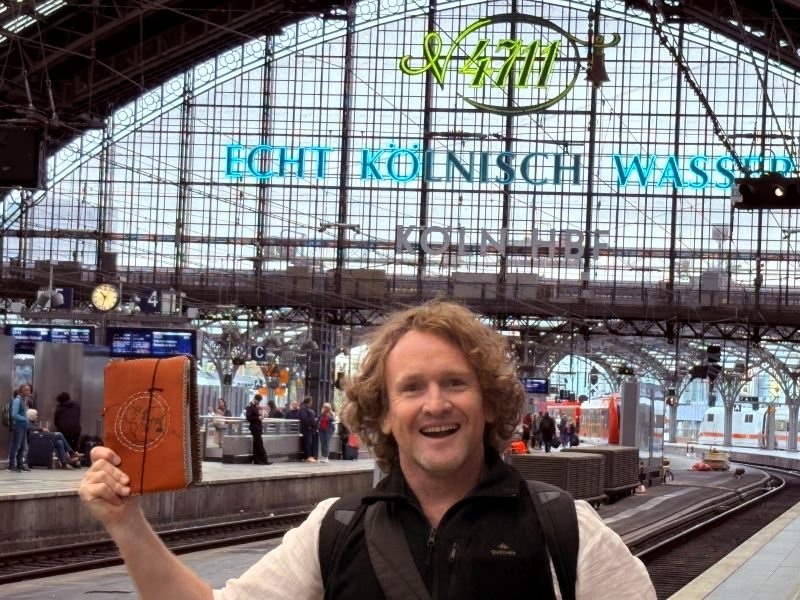
We left Opi and Nanas house on 16 Sep and got the train from Utrecht to Cologne in Germany, it takes between 2 hours.
Germany and Berlin are places with a layered history moving from old buildings to Second World War architecture and new museums. In between that, you have artefacts and history from the Berlin Wall. It is still challenging to get my head around all of this, as we don’t have such historically diverse buildings or such an extensively documented record of historically different periods in Australia.
Cologne
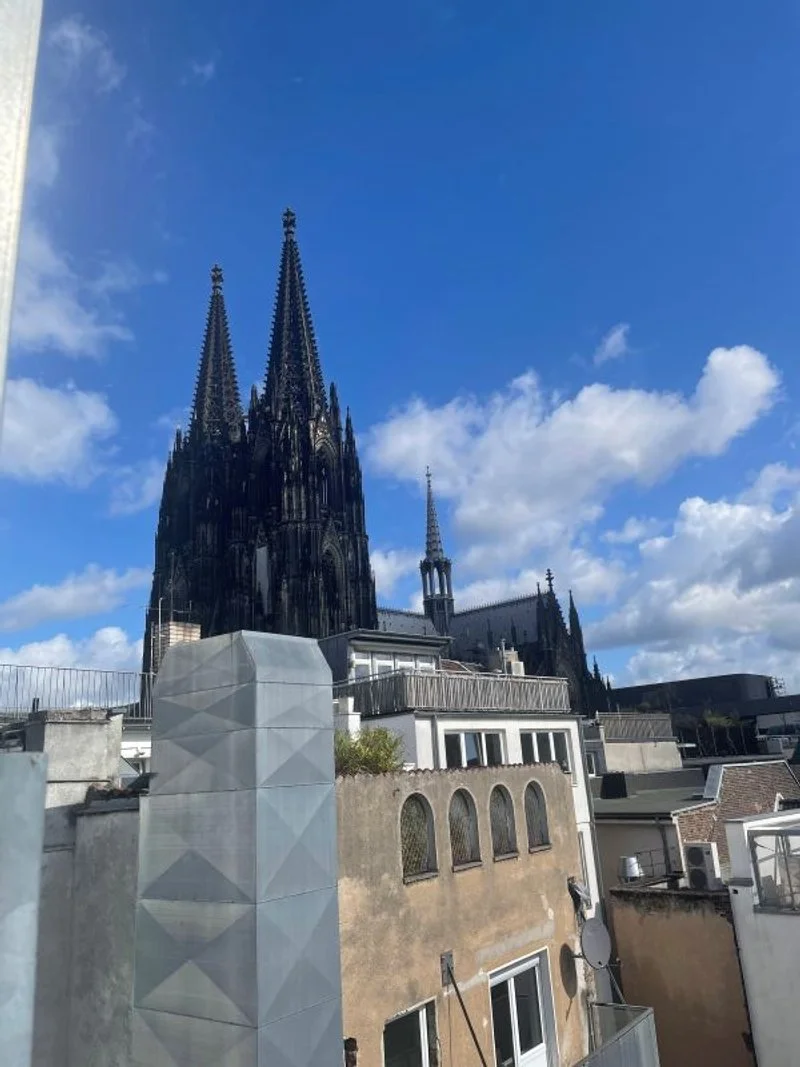
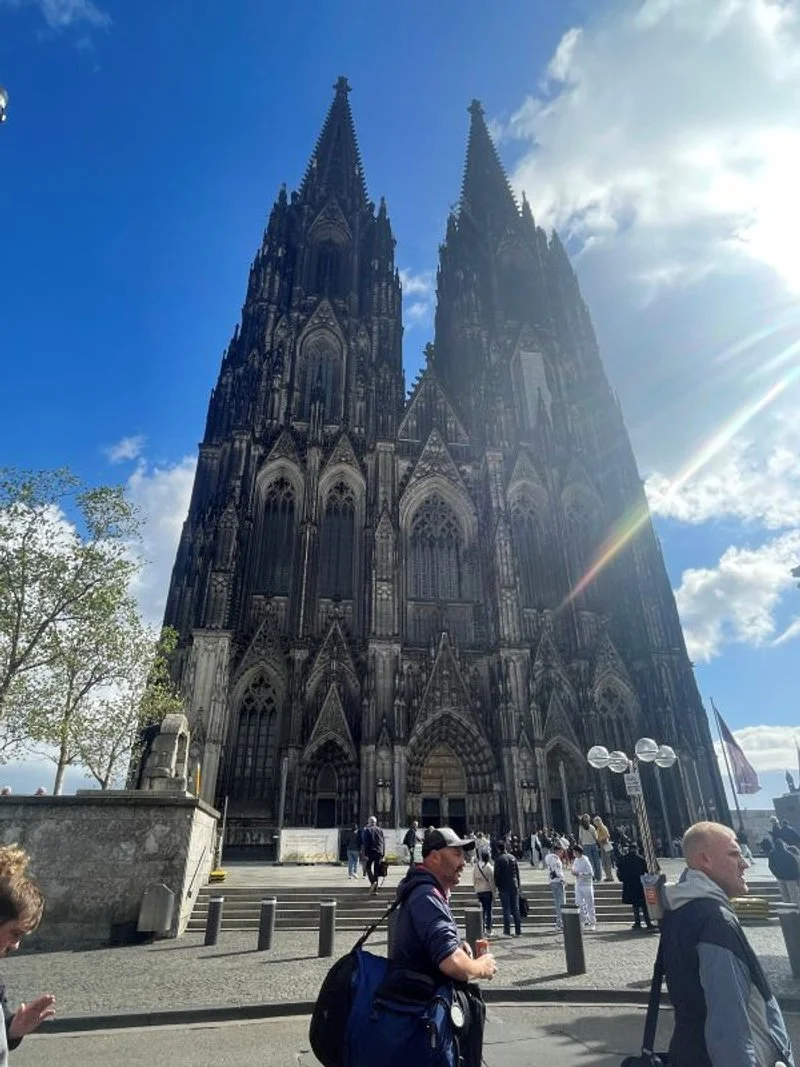
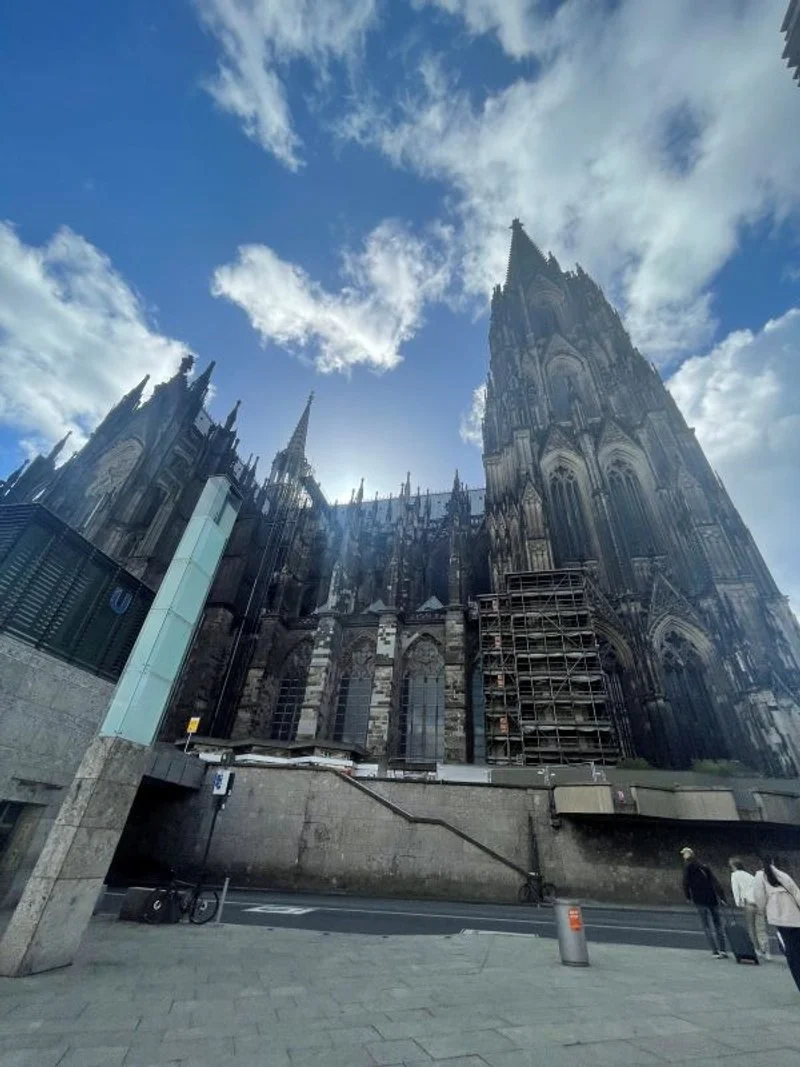
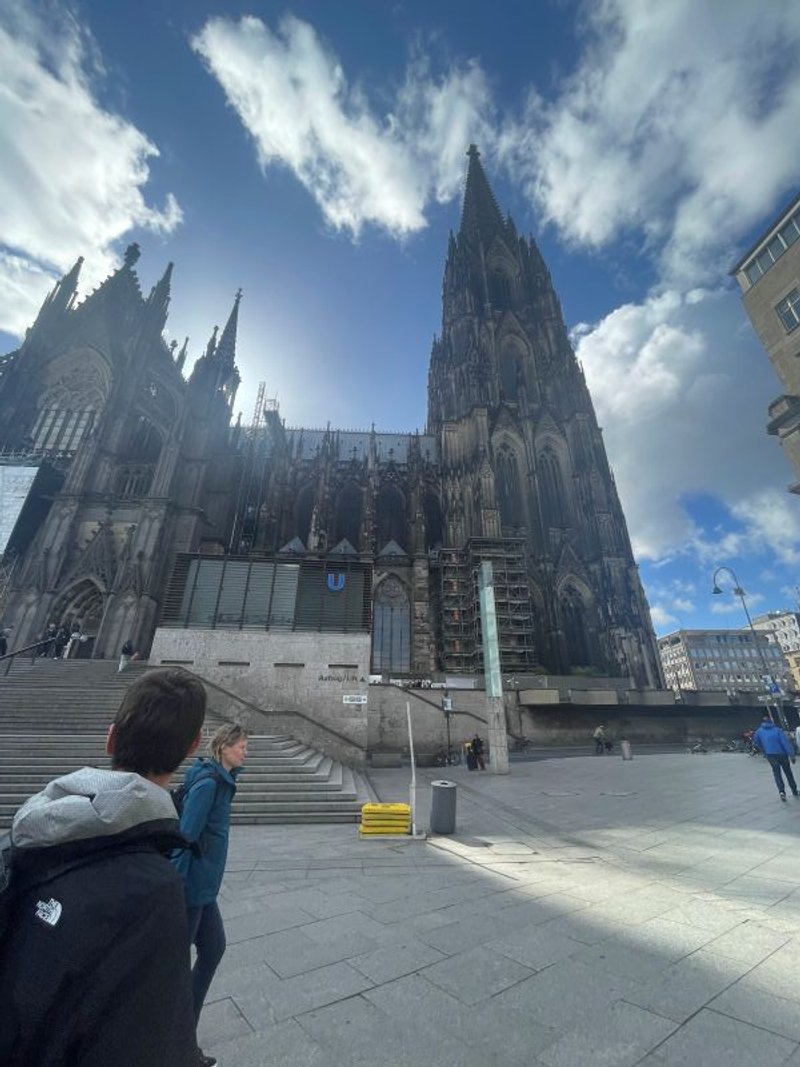
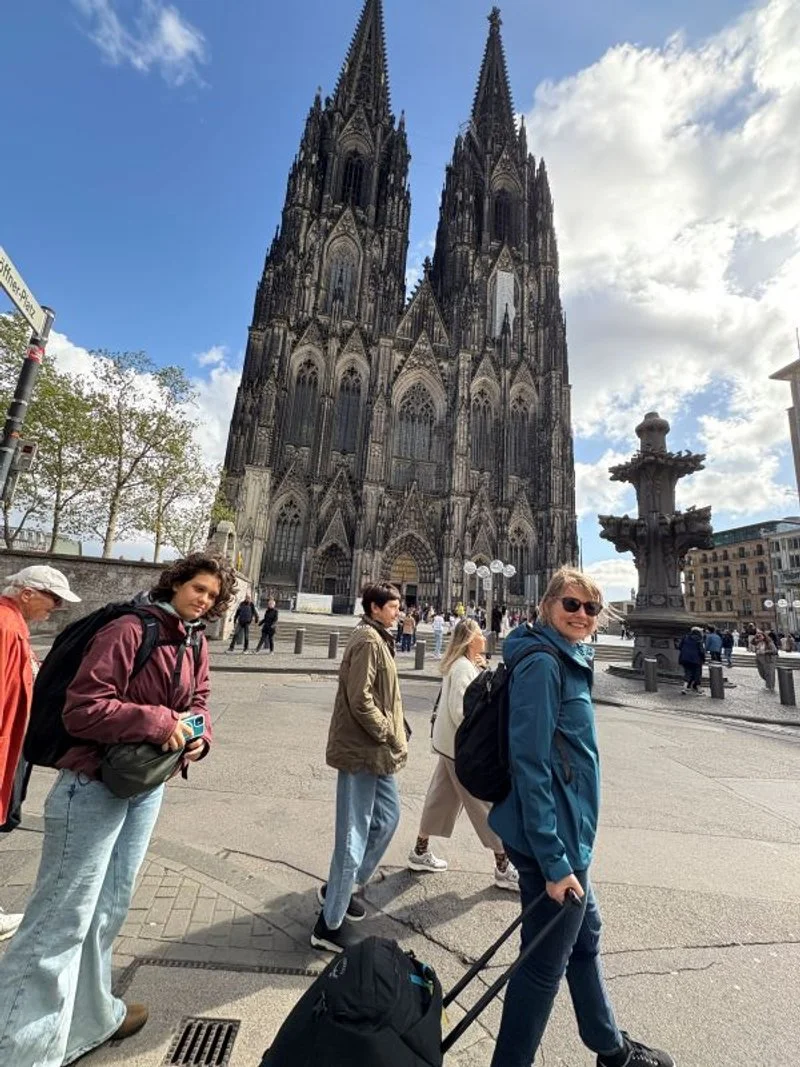
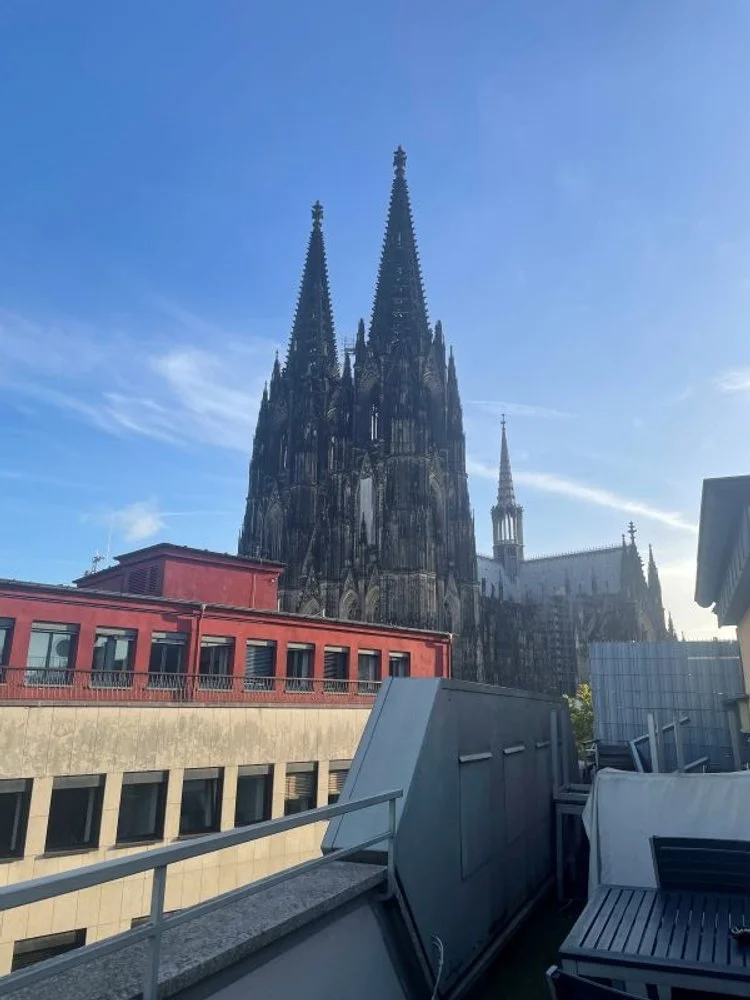
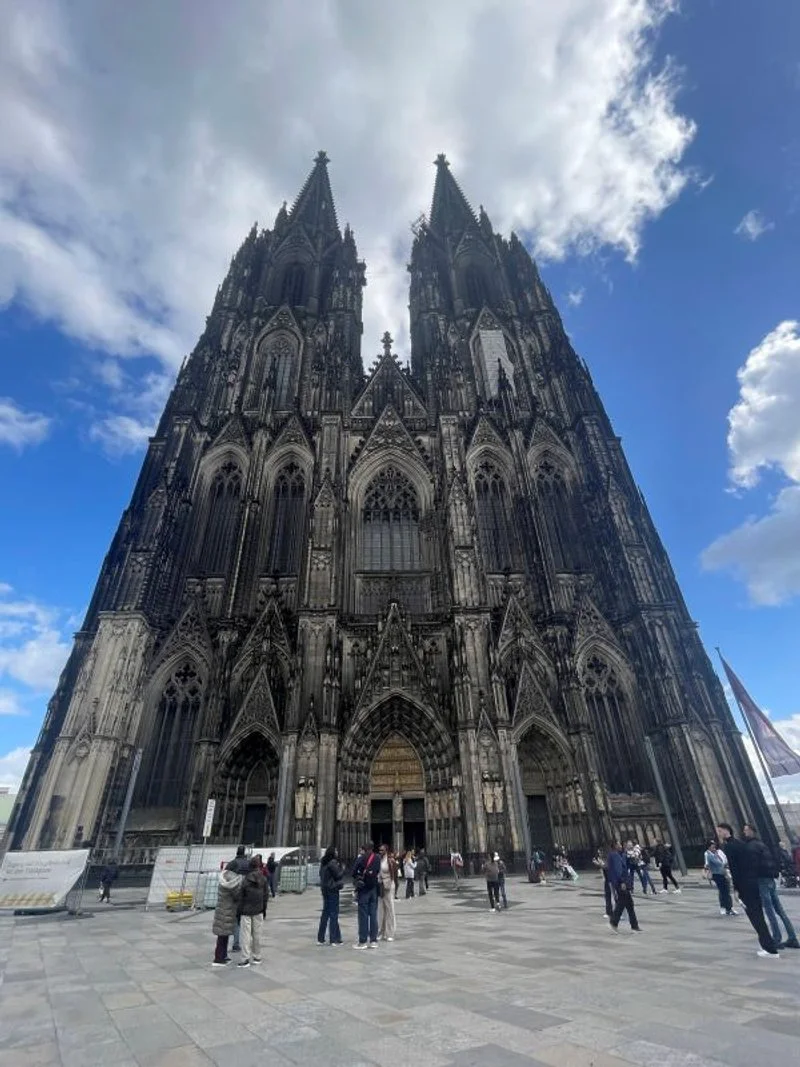
We got a hotel really close to the Cologne Cathedral, so we walked out of the train station and were amazed at the size and beauty of the cathedral. It is a very detailed building, and it looked like there was a lot of effort put into every little detail of it. That’s probably why it took them 632 years to construct it. They started construction in 1248, but it was halted for around 300 years due to lack of funding from 1560 to 1840 and was completed in 1880. It has a black appearance because of a build-up of soot and pollutants over years in the industrial age. Sources like coal heating, factory emissions and steam locomotives during the 19th and 20th century. This darkened appearance left it with a gothic look. People have come to love this brooding appearance (despite that it is actually dirty) and celebrate it for the unusual look.
The Cologne Cathedral is also a symbol of Cologne’s resilience since it survived heavy bombing in World War II, pollution, and centuries of change.

Pretzels
We only stayed in Cologne for one night. The next morning, we went to the bakery to get a fresh pretzel, as we were in Germany which seemed like the best place to try it. It was so good. My question is why make those small stale dry pretzels like the once in chip packets if you can get a large fresh one that taste way better.
Berlin a multifaceted city
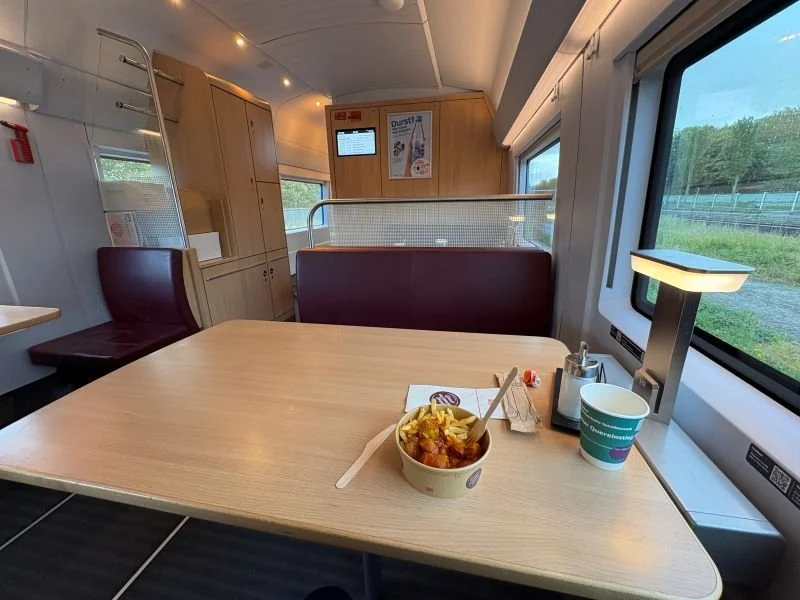
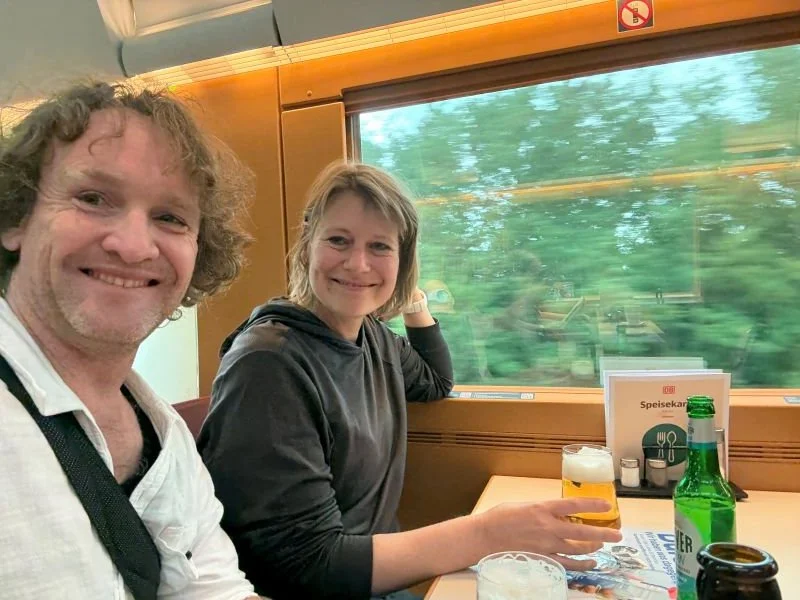
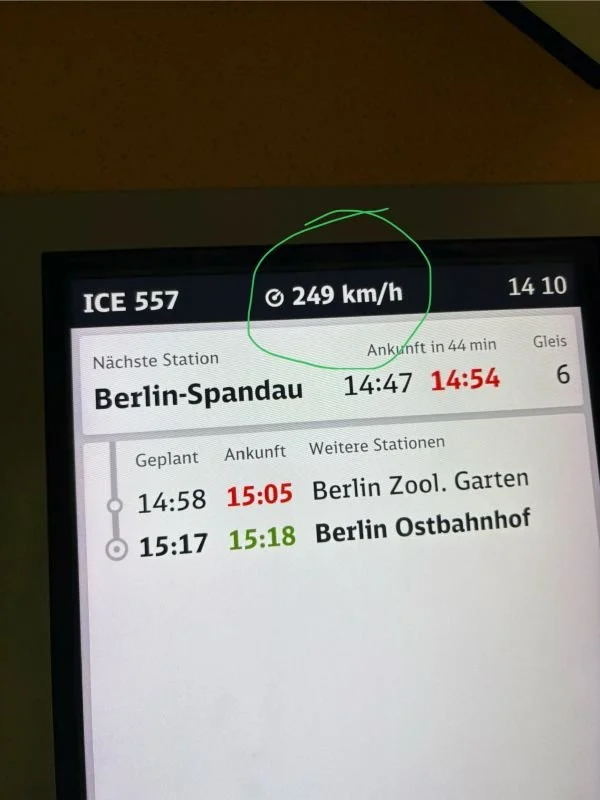
After we ate the delicious pretzel, we jumped on the ICE train to Berlin, our next stop. Once in Berlin we walked to our hotel where we had quite a surprise. There were three weird mannequins that were wearing lingerie so that was a funny Berlin surprise (presumably in tribute to Berlin’s reputation for alternative lifestyles). After the initial giggles, we had an early night because it had been a big day of traveling.
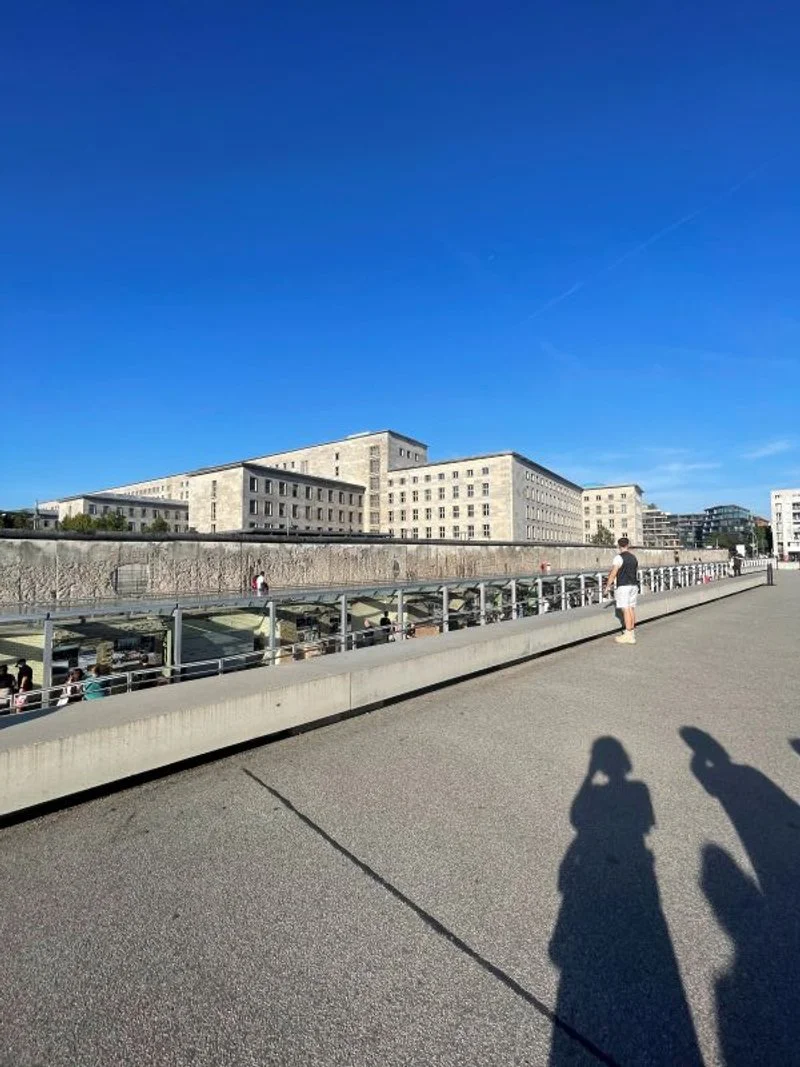
The next morning, we woke up at a reasonable time and got a train into the city, where we got a chance to see the Brandenburg Gate; the Parliament Building (called the Reichstag); and the remains of where the Berlin Wall was. On this day we also visited the memorial to the murdered Jews of Europe. A thing that surprised us was that this was just one block down the road from where Hitler’s bunker was located.
In the next section, I have highlighted the places we saw in chronological order. I also highlight for each section, what relates to World War II (WWII), the Berlin Wall era, or other historical times.
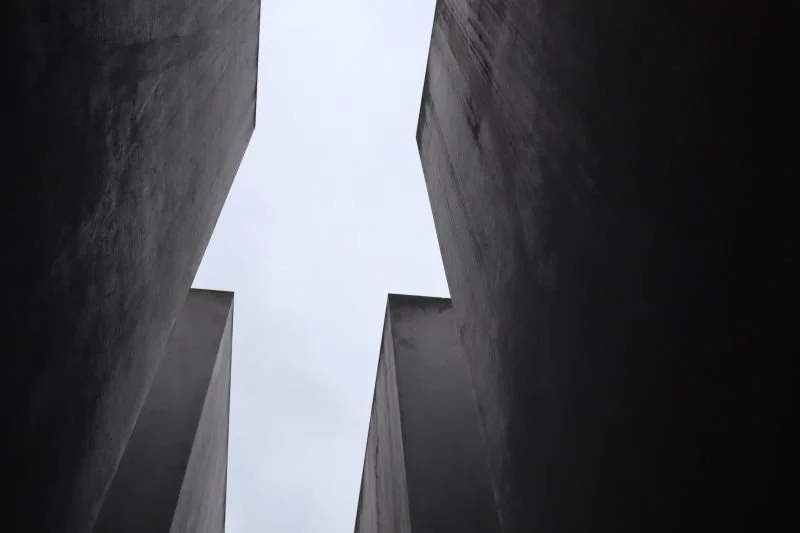
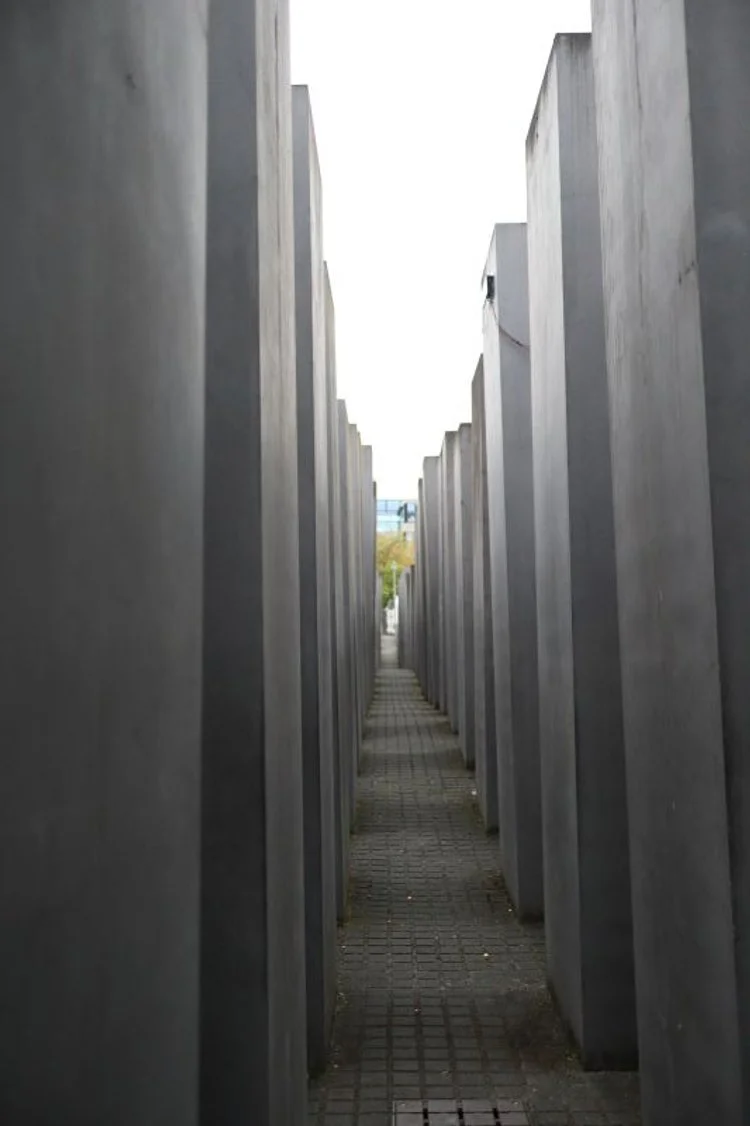
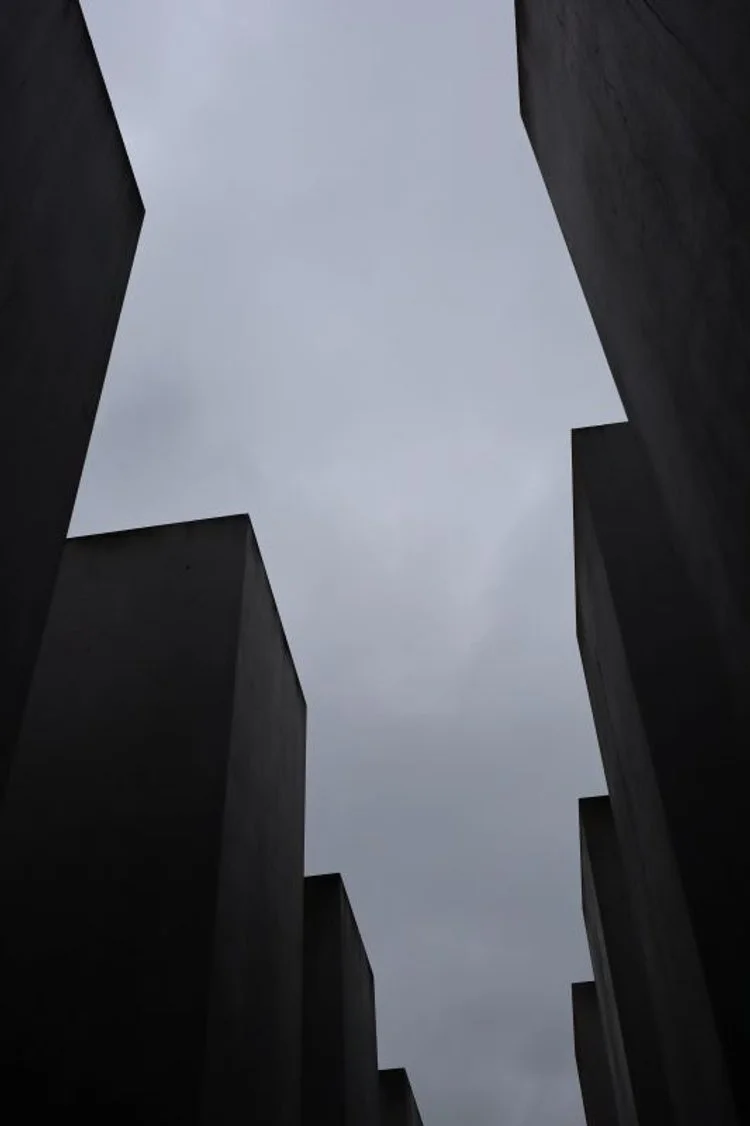
A memorial to the murdered Jews of Europe – a modern piece of art relating to WWII.
In 1999 the German Parliament decided to establish a memorial in the middle of the city to the murdered Jews of Europe. Officially inaugurated on the 10th of May 2005 exactly 60 years after the end of World War II. The site features 2,711 concrete slabs arranged in a grid, designed by architect Peter Eisenman. The slabs differ in height and rest on uneven, undulating ground, producing a disorienting atmosphere intended to evoke feelings of instability, loss, and uncertainty. As visitors move through the narrow corridors between the blocks, many experience a sense of isolation, symbolizing the absence and fragmentation left in the wake of the Holocaust.




The Brandenburg Gate – from Napolean’s army to the division of East and West Germany, to modern day Berlin
The Brandenburg Gate stands at the symbolic centre of Berlin. It was unveiled by the Prussian king as a monument to peace in 1791. After a complicated history through the Napoleonic Wars, the unification of Germany, the Nazi regime, and a divided Germany during the Cold War, The Brandenburg Gate stands, now more than ever, as a symbol and monument to German reunification and peace.
When Napoleon defeated Prussia in 1806, he decided to take back to France the Quadriga (which is the name for the four-horse chariot sculpture on top of the gate) as a spoil of war. The sculpture was later returned to Berlin in 1814 and placed back on the gate after the eventual defeat of Napoleon's army.

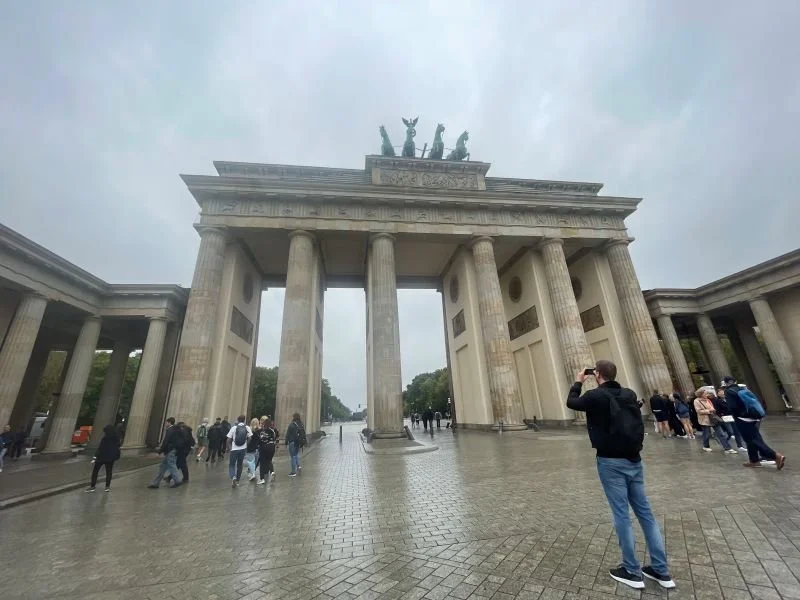
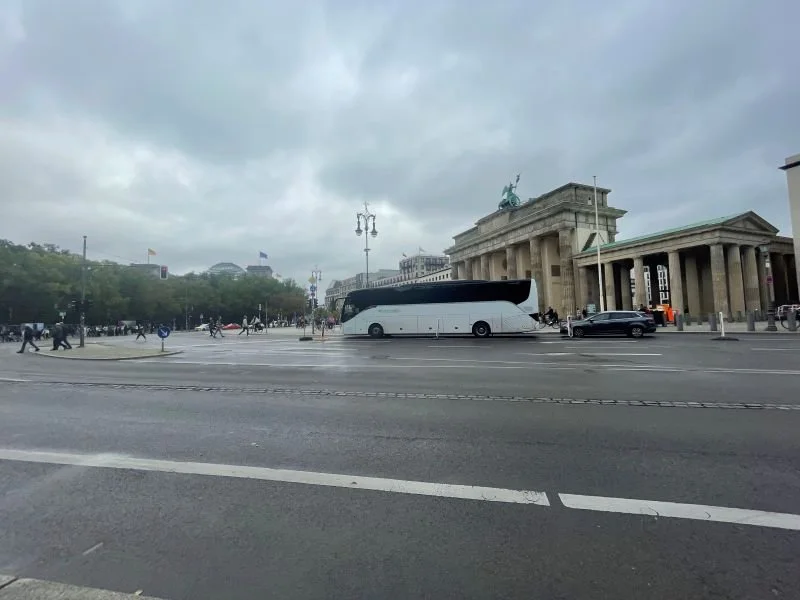
The gate was also part of the Berlin Wall and the division line between East and West berlin. The so-called ‘death zone’ where no one was allowed straddled either side of the gate. In Germany at this time, if you had survived World War II, then 16 years later your family may have been separated when overnight a wall was built through the middle of your city and country.
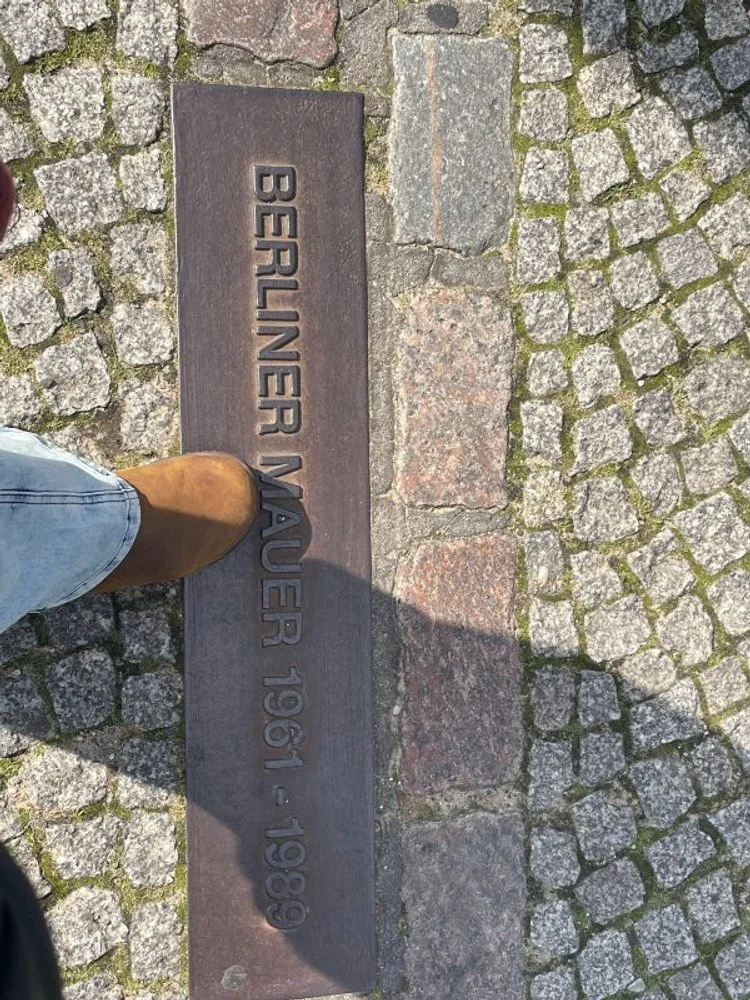
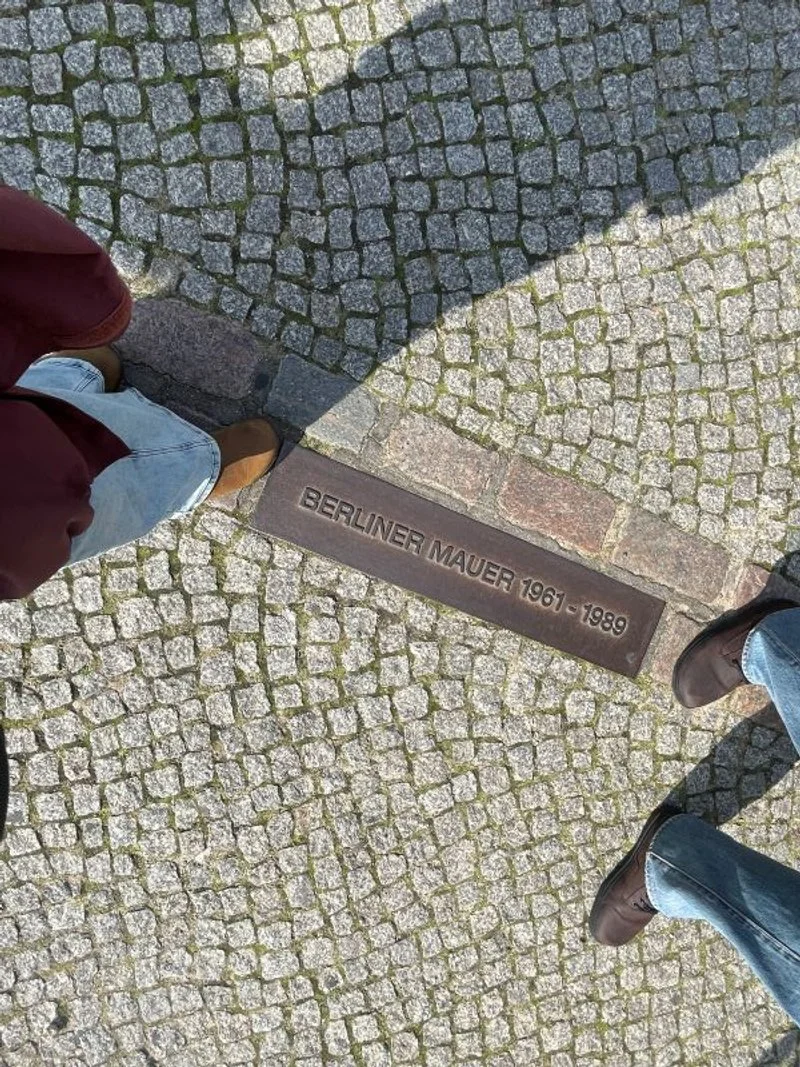
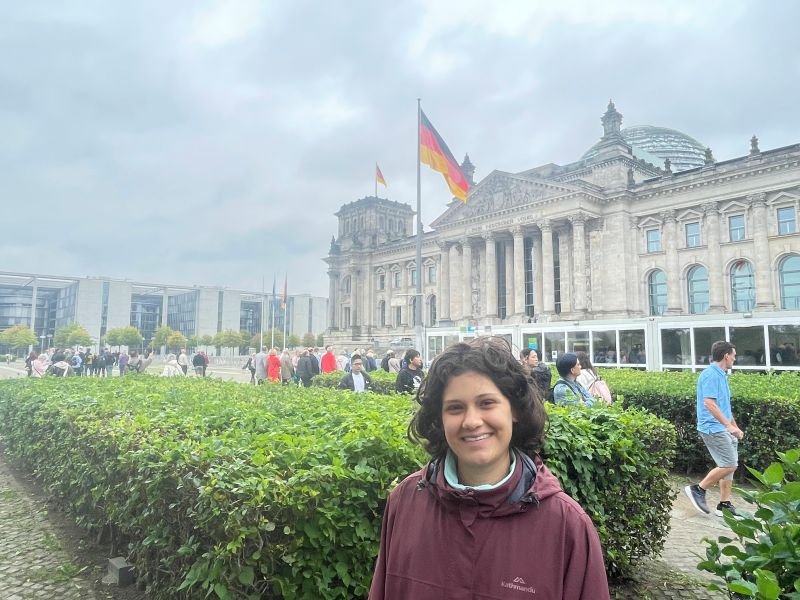
The Reichstag building – a changing feature through Berlin’s history
The Reichstag, Germany’s parliament building, was completed in 1894 under the design of architect Paul Wallot. In 1933, a catastrophic fire in the building was exploited by the Nazis to consolidate their power. The structure was damaged and left largely abandoned throughout the Cold War. Positioned in a no-man’s-land of divided Berlin, only a few meters from the East Berlin border, the building stood as a stark symbol of separation. In 1995, artists known as Christo and Jeanne-Claude famously draped the Reichstag in a huge fabric wrapping paper, which was then unwrapped at an event that celebrated German reunification and heralded a new democratic era. A comprehensive renovation led by architect Norman Foster followed, reaching completion in 1999. Today, the restored Reichstag serves as the seat of the Bundestag, Germany's parliament, with its striking glass dome open to the public, standing as a powerful emblem of transparency and democracy.
Berlin bus tour weaving different parts of history together
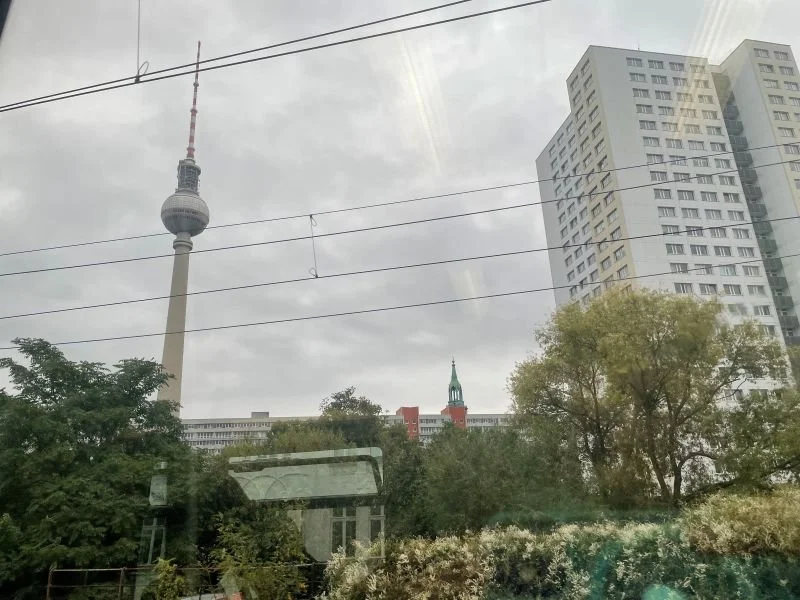
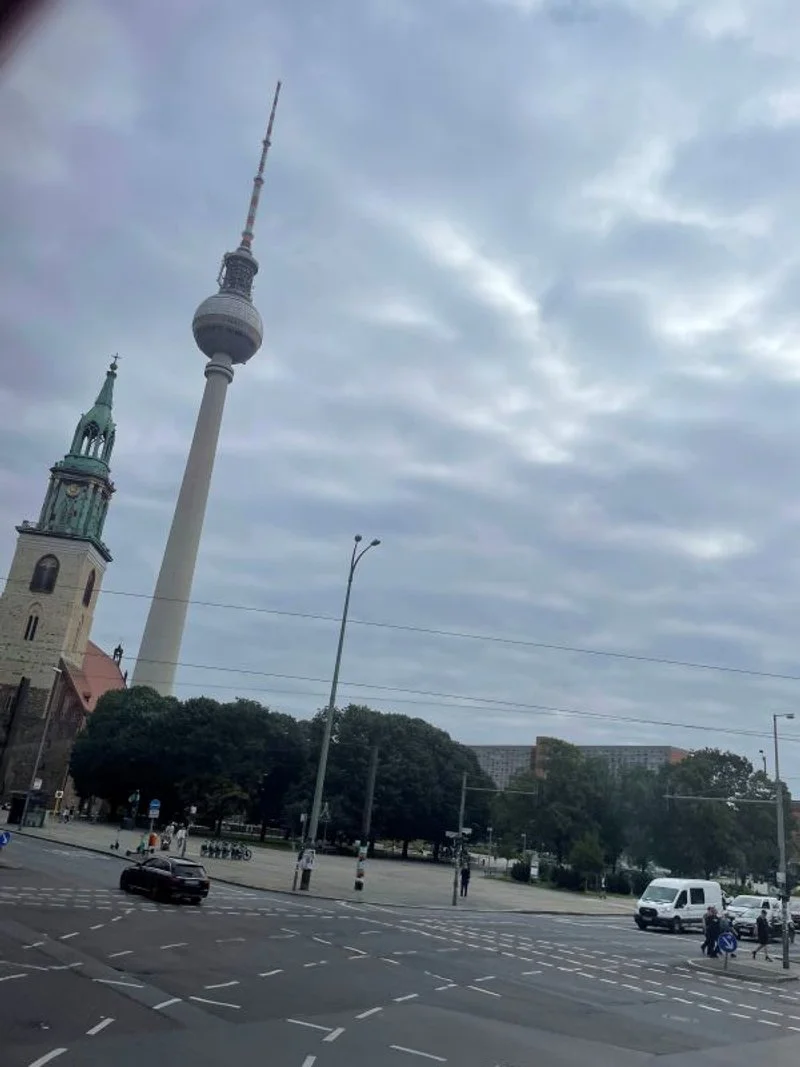
The next day we saw the TV tower (Berliner Fernsehturm) where we got on a tour bus to see the city.
The TV tower - Standing as a Cold War monument
In the 1950s, the German Democratic Republic (GDR), better known as East Germany, envisioned a modern broadcasting tower to expand television coverage, giving rise to the idea of the Berlin TV Tower. Construction began in August 1965 under architect Hermann Henselmann and a team of GDR engineers. The tower officially opened to the public on 7 October 1969, coinciding with the 20th anniversary of East Germany’s founding. Designed as both a symbol of socialist strength and a hub for television broadcasting, the structure stands 368 meters tall. With its observation deck and revolving restaurant. We also found out that the Stasi (East Germany’s secret police) used the tower to spy on their own citizens. It remains a striking Cold War-era monument and a defining feature of Berlin’s skyline.
Unfortunately, we found the bus tour a bit underwhelming because their route got disrupted due to the city’s preparations for the Berlin Marathon, and they did not tell us a lot about different landmarks we would not see. However, after disembarking we grabbed some lunch since we were very hungry by that time. Then we walked back in time, to WWII and to the site of Hitler’s bunker, which appropriately is now just a car park with just an ignominious sign that says Hitler’s bunker was here. If there had not been for the sign, we would have had no idea that it was located there. Interestingly, the Memorial to Murdered Jews of Europe that I mentioned earlier, stands proudly only a block away from this location.
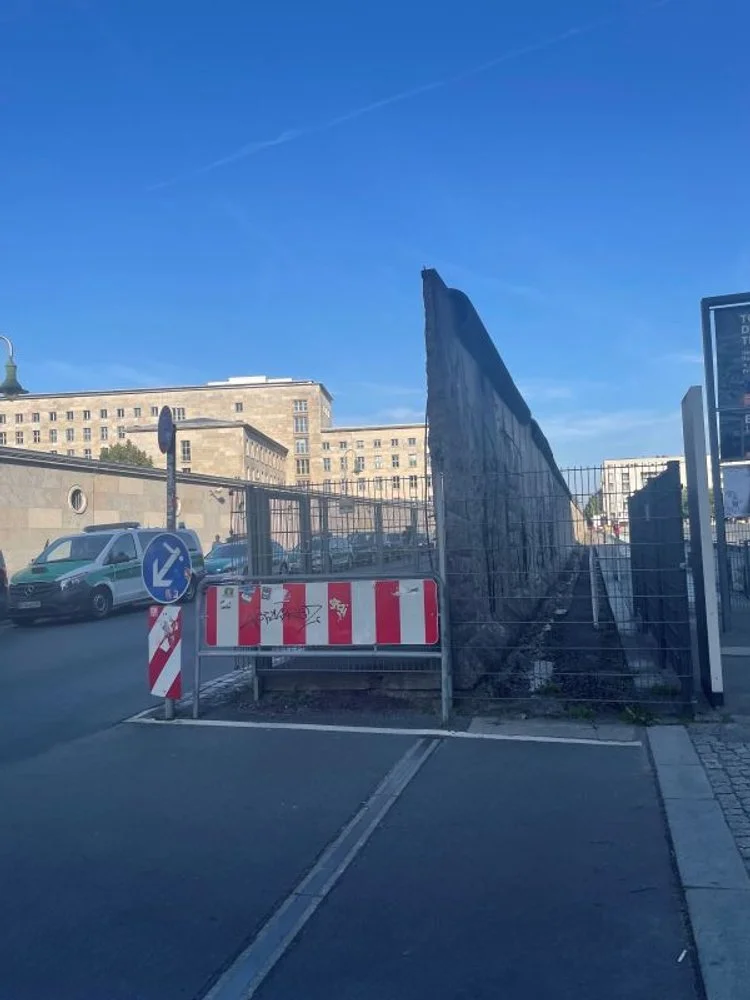
We got back on the bus to see some sections of the Berlin Wall that are still standing in their original locations, and to see Checkpoint Charlie.
What is Checkpoint Charlie?
Checkpoint Charlie was created in August 1961, shortly after East Germany erected the Berlin Wall to prevent its citizens from fleeing westward. The designation “Charlie” came from the NATO phonetic alphabet, following Checkpoints Alpha and Bravo. Over time, it became one of the most recognizable symbols of the Cold War, embodying the sharp divide between communist East and democratic West.
In October 1961, the site witnessed a dramatic standoff when American and Soviet tanks faced each other during the Berlin Crisis, marking one of the era’s most dangerous confrontations. The crossing itself was fortified with barriers, watchtowers, and armed guards, and ordinary East Germans were prohibited from using it - only foreigners, diplomats, and officials could pass through.

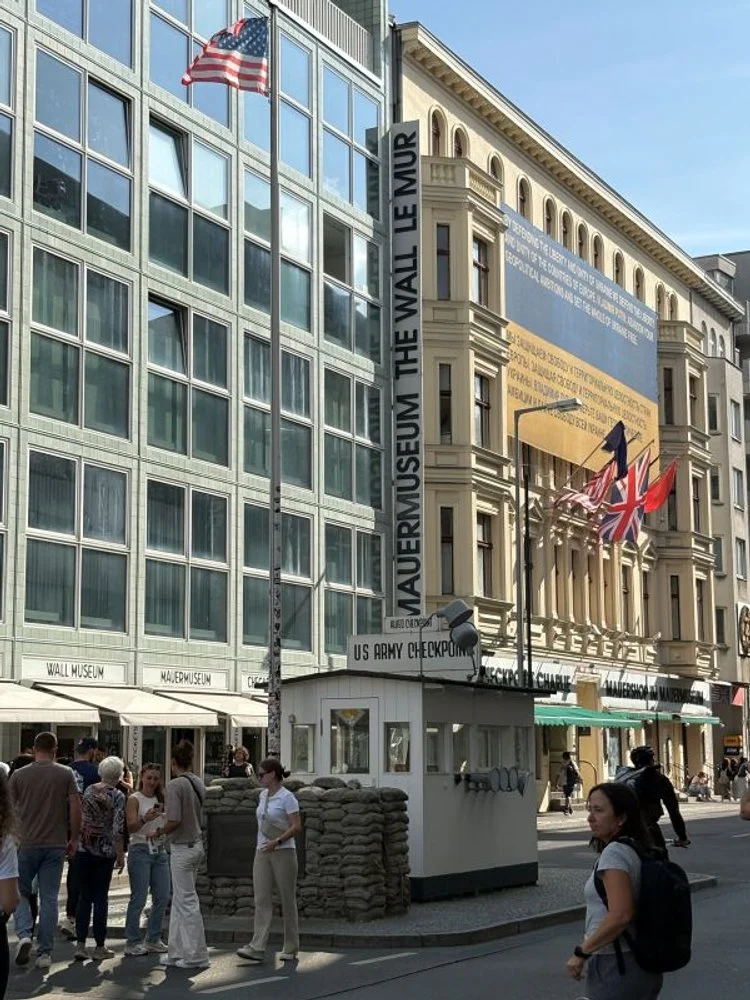
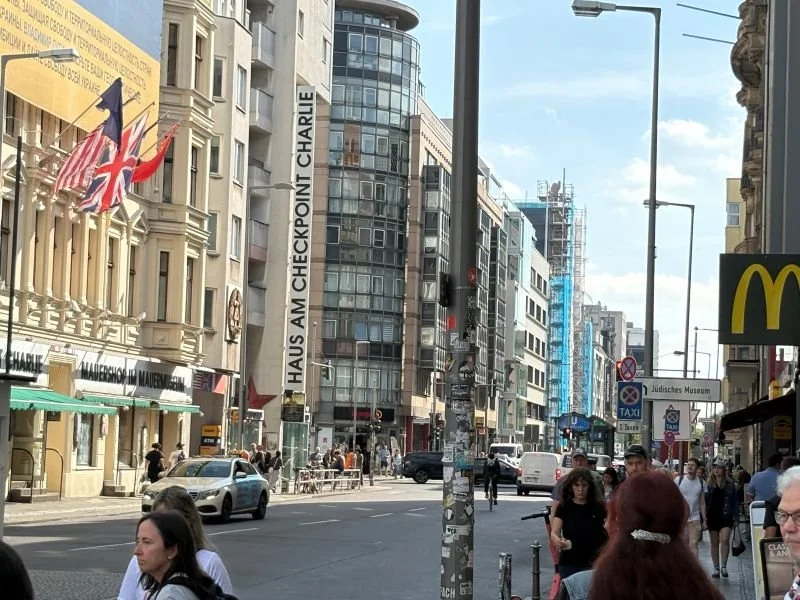
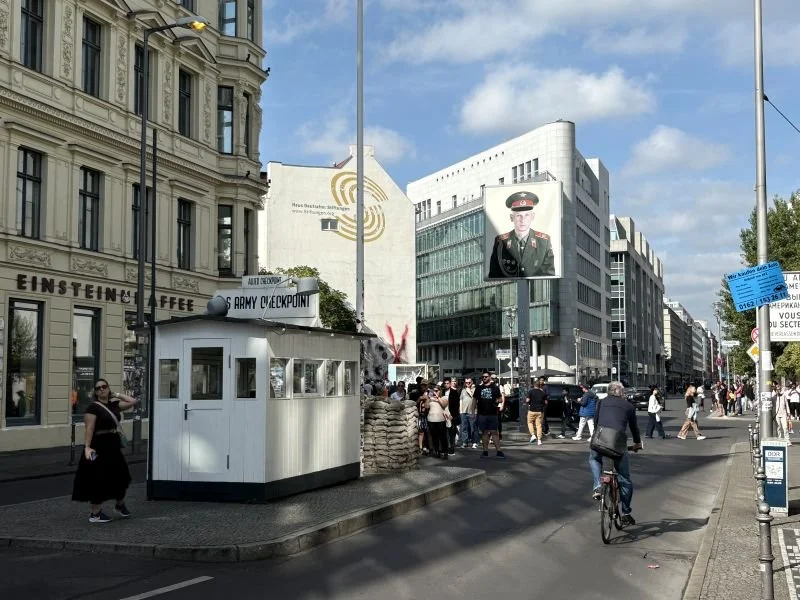
Despite the restrictions, many attempted daring escapes occurred near the checkpoint. Some succeeded, while others tragically lost their lives in the process. When the Berlin Wall fell in November 1989, Checkpoint Charlie ceased to function as a border crossing. Today, it survives as a memorial and tourist site, complete with a reconstructed guardhouse, sandbags, and museum exhibits.
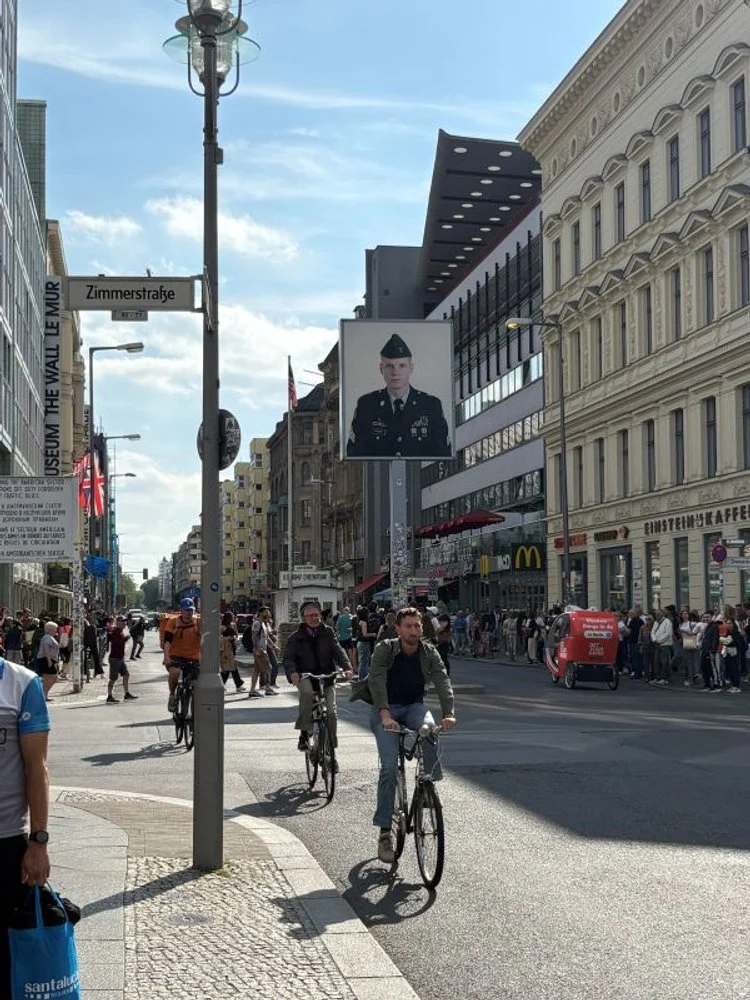
Visitors also encounter two striking portraits: one of a Russian soldier whose identity remains unknown, and the other of U.S. Army Sergeant Jeff Harper, photographed to represent the opposing forces that once stood watch at this historic location.
We got off the bus again near check point Charlie to have a look around we stumbled upon the Terror Museum - a modern museum built on the site of the former SS headquarters, that’s purpose is to acknowledge the atrocities committed by that organisation. But that is a complex and long story that I will go in to in a later blog.
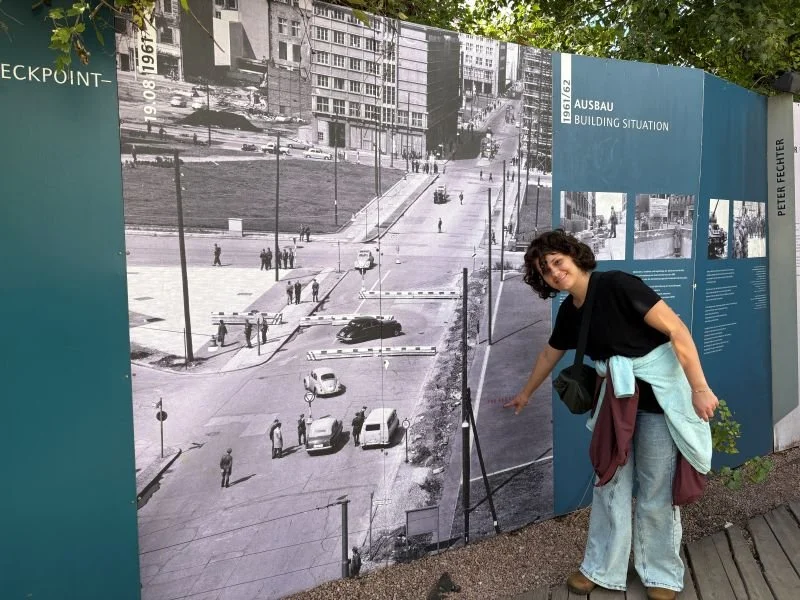
Once we had finished at the museum we went for dinner after a big day of learning and exploring around the city.
Join me in the next one where we will visit the wonderful city of Prague and see the historic charming buildings. Then travel through the Austrian alps and admire the scenic views. Sidenote, we will travel past the place where they filmed the sound of music in Austria which is pretty cool.
